“Sustainable travel” is a marketing phrase almost everywhere. A plainer look at leaving a place better than you found it.
“Sustainable” has come to mean “less bad”. Regenerative tourism asks for more: that a place and its people are better off after you have been there. In northern Kenya you can see what that looks like, and it is not complicated.
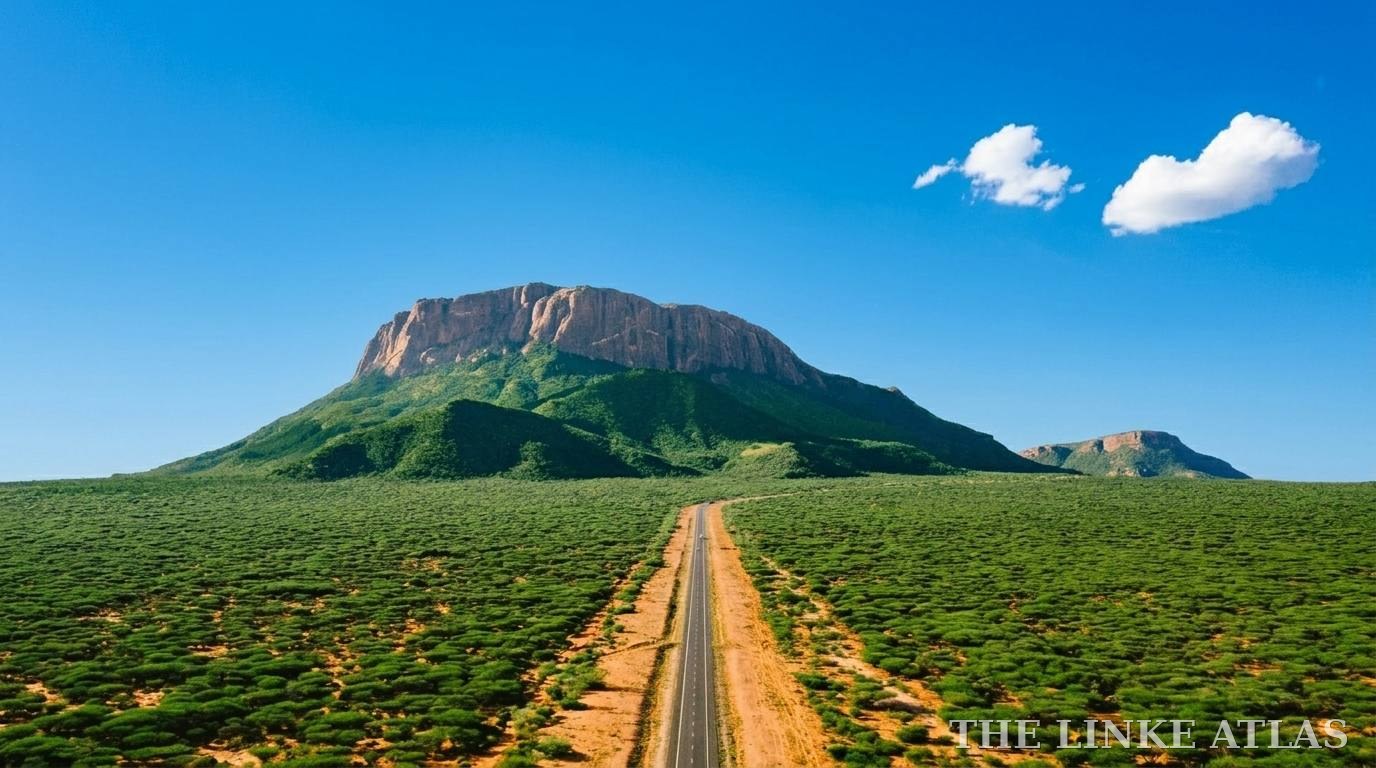
It looks like local guides leading the walk. On Ololokwe, Samburu young people run the trekking, and the paths themselves were worn by elephants and herders long before there was a tourism industry. The money from a hike goes to families who live at the foot of the mountain, and the camps at its base are community-run.
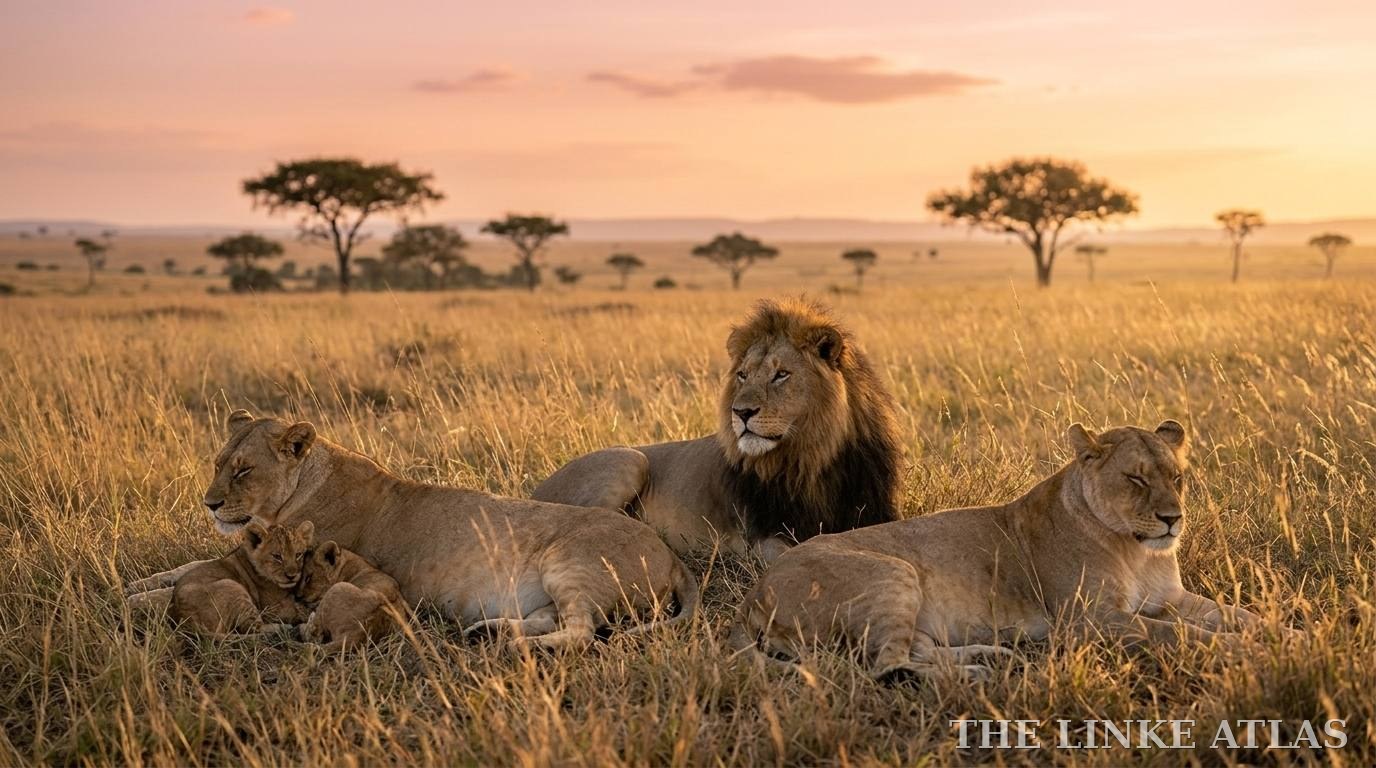
It looks like ownership. In the community conservancies of the north, the land stays with the people, and lodges on that land pay for scouts, schools and water. When local people hold the title and the income, protecting a giraffe or a waterhole stops being a favour to visitors and becomes a business decision they make for themselves.
It looks like culture that is paid for and not just photographed. When Sopa Lodges launched its astro-tourism programme at Samburu, it described building the experience around community narratives and cultural beliefs about the sky, with staff trained for the work. A story told by the people it belongs to is worth something, and it should be priced like it.
It looks like leaving the night dark. Samburu has some of the clearest skies in Africa, and astronomers have asked that zones like it be protected as dark-sky areas. A lodge that turns off its floodlights gives away nothing and keeps the sky for everyone.
And it looks like small choices by the traveller: buying beadwork from the women who made it, asking a guide how a tool was made before asking for a souvenir, carrying out what you carry in, and staying long enough to learn a name. None of it is dramatic. All of it adds up.
That is the standard the Atlas holds itself to. Leave the mountain as you found it, and leave the people a little better off.
Target 8.9 of the Sustainable Development Goals asks for sustainable tourism that creates jobs and promotes local culture and products, and target 12.b asks governments to monitor its effects. Regenerative tourism goes a step further. It lines up with UN-Habitat's focus on communities and local materials, with Agenda 2063's call for climate-resilient communities, and with the Atlas's own belief that a journey is a vibration: it leaves something behind in the place and in the traveller.
Sources: K24, Mount Ololokwe: why it is one of Kenya's ultimate hikes (2026); Nation Africa, The sacred mountain; Northern Rangelands Trust summary by Wild Philanthropy; Tourism Update, Sopa Lodges launches astro tourism experience; Business Daily Africa, Kenya's darkest sky.