Instead of fencing communities out, the conservancy model puts local people in charge — and it has reshaped conservation in the north.
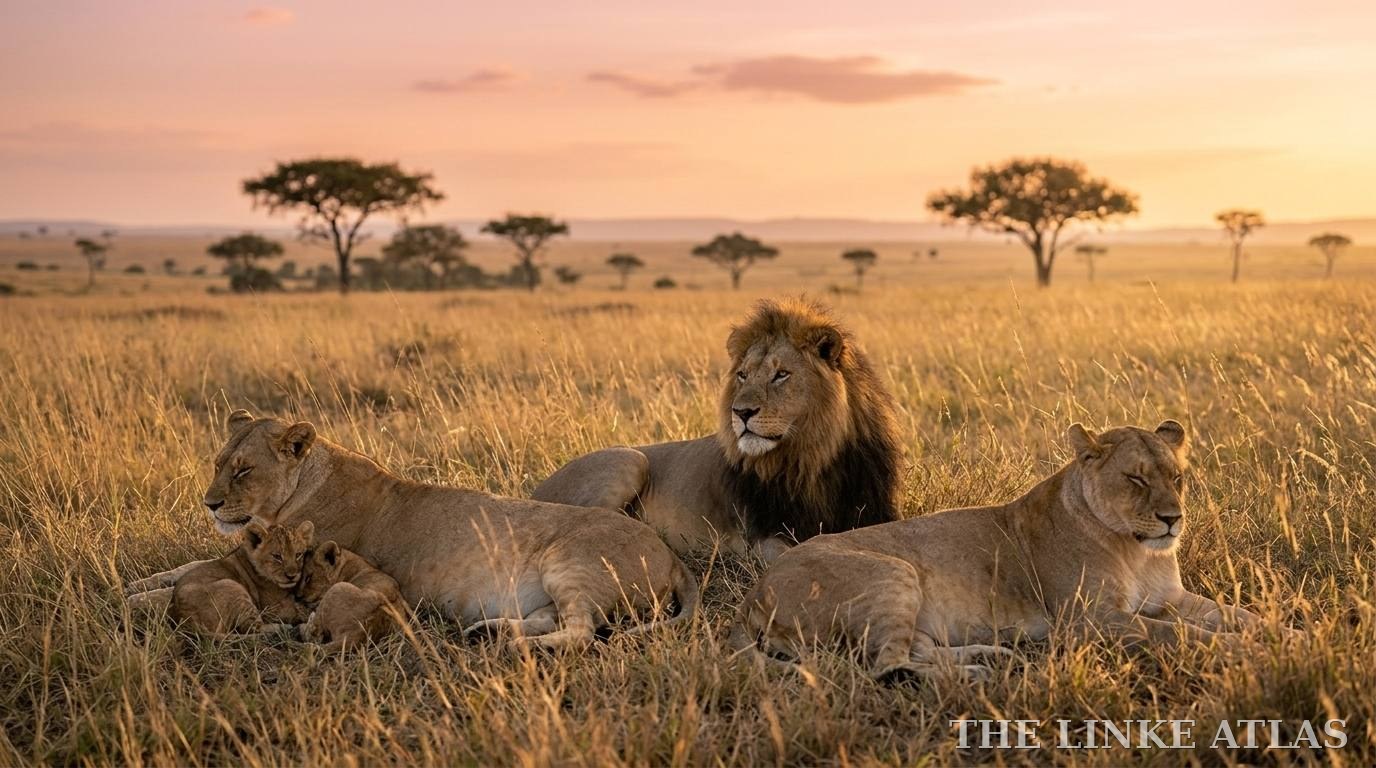
For most of the twentieth century, conservation in Kenya meant fences, gates and parks that people were kept out of. Northern Kenya's community conservancies turned that idea around. The land stays in the hands of the people who live on it, and wildlife is managed as part of their living, not against it.
The story starts in 1995, when the Lewa Conservancy invited elders from the Il Ngwesi community to see how wildlife tourism could run alongside livestock. Il Ngwesi and Namunyak, in Samburu country, became the first two community conservancies in northern Kenya. In 2004 Lewa helped set up the Northern Rangelands Trust to act as an umbrella body for the growing network.
A conservancy is a community organisation that manages community-owned land. It is run by a committee of local members and builds on traditional governance, with a particular push to bring women and youth into decisions. Many have their own lodges, and the tourism income pays for scouts, schools, water and health work. Grazing plans keep herds and wildlife on the same land, and the communities say the conservancies care for their livestock too.
The reach is large. Reports describe the network growing from two conservancies to dozens, covering around 40,000 square kilometres of northern and coastal Kenya and hundreds of thousands of people from many ethnic groups. Researchers have recorded rising wildlife numbers in conservancy areas, and giraffe, elephant and Grevy's zebra all depend on land that sits outside the national parks.
It is also fair to say the model has critics. A 2019 fact-finding report by Borana elders in Isiolo and later work by the Oakland Institute argue that some conservancies were set up without full consent and have fed land and security disputes. These are real debates, and they remind us that local ownership only works when it is local in practice, with communities making the decisions themselves.
What the Atlas takes from this is simple. People protect what they own and benefit from. Wherever Samburu families decide the terms, hire their own guides and keep the income, the wildlife does better and so does the community.
Conservancies sit where several global goals meet: SDG 15 on life on land, SDG 13 on climate action, SDG 16 on inclusive institutions, and Agenda 2063's call for environmentally sustainable, climate-resilient communities. They also echo the principle in the UN Declaration on the Rights of Indigenous Peoples that communities should have a say over their own lands. A landscape is in tune when the frequency of its people and the frequency of its wildlife match.
Sources: Northern Rangelands Trust history as summarised by Wild Philanthropy; The EastAfrican, Protecting wildlife in Kenya's northern rangelands; Institute for Economics and Peace, Northern Rangelands Trust case study; Oakland Institute, Stealth Game (2021); Boran Council of Elders fact-finding report (2019).