In Maralal's open-air market, mostly women traders sell roots, bark and seeds gathered from Kirisia forest and the dry shrublands. A 2019–2020 study counted 24 species, and a body of knowledge that is thinning.
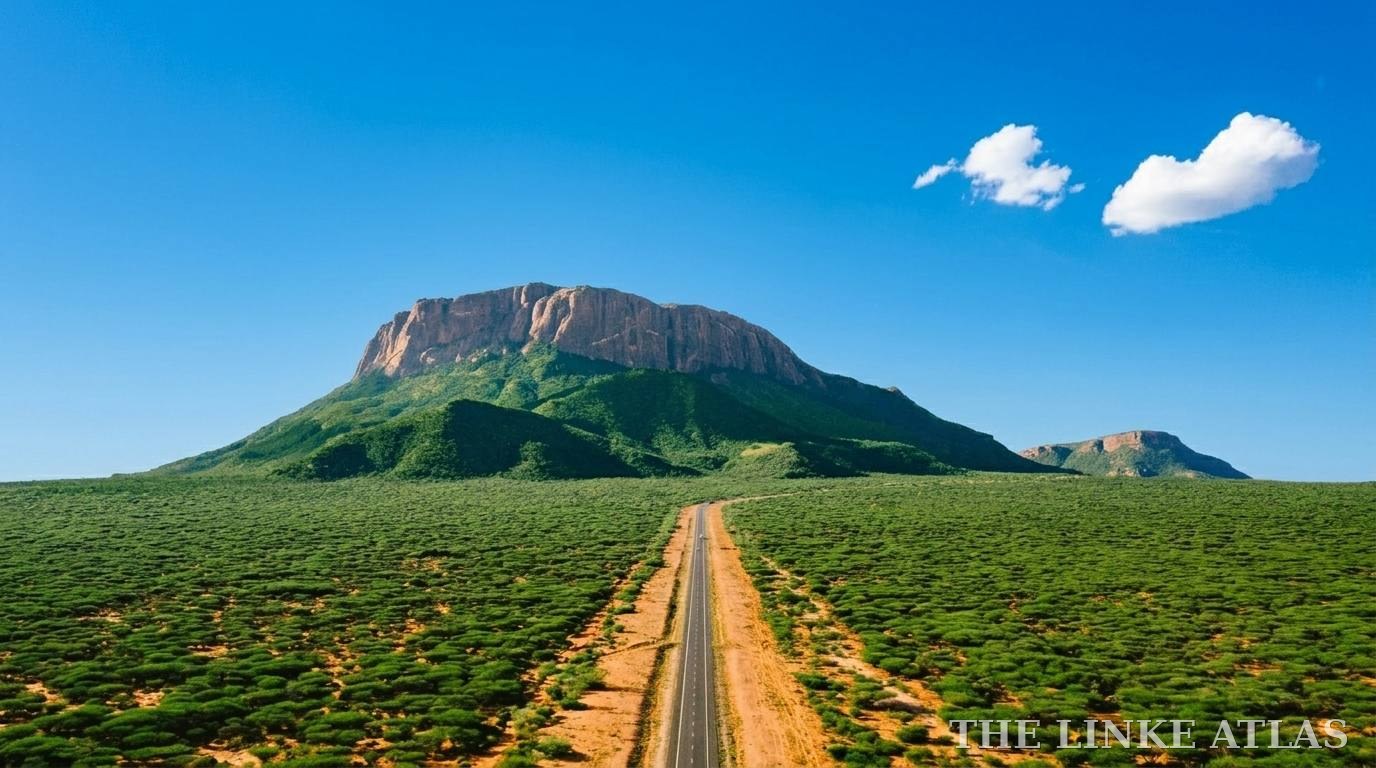
At the foothills of the Kirisia Hills, in the town of Maralal, there is a patch of open-air market set aside by Samburu County for one kind of trade. Here traders lay out dried roots, bark, seeds and leaves, and measure them into customers' hands with a recycled 100-gram tin. Almost all of the traders are women.
Between August 2019 and January 2020, researcher Lucy Wamuyu Muithui of Karatina University spent time at this market. She interviewed 33 traders, in the Samburu language through a translator, and only two of them were men. About nine in ten were over fifty, and the oldest was 68. She also walked with three of the collectors who supply them, and had specimens identified and lodged at the National Museums of Kenya herbarium.
The count came to 24 plant species from 16 families. Fifteen were gathered in Kirisia Forest Reserve and nine in the dry shrublands around Maralal and Wamba. Collectors sometimes travel a long way for them: Baragoi is about 102 kilometres from Maralal and Wamba about 107. What is on the cloth depends on what has been brought in. The first survey found fifteen species and the second added nine, while four from the first had gone, so the real number is probably higher than 24.
Five species were the most popular with buyers, according to the traders: Myrsine africana (Seketet), Rotheca myricoides (Lmakutikuti), Rhamnus staddo (Lkukulai), Salvadora persica (Sekotei) and Toddalia asiatica (Leparmunyo). Salvadora persica is also used as a chewing stick for cleaning teeth. A tin of seeds, small bark pieces or roots cost about 45 US cents, and a bundle of bark or stems about a dollar.
Most of the plants are boiled and drunk as a decoction, hot or cold, often mixed into tea, soup or milk. The traders described them as used for stomach pains, coughs and colds, malaria and women's health, and many plants have more than one use. A few traders also sell a cold, bitter mixture of eight plants boiled together, called Lekeek isiet, which they described as used for malaria and pneumonia.
The study is also clear about risk. Rotheca myricoides was described as one of the strongest plants, to be given only by a specialist, because wrong use can kill. Traders often recommend a plant from a customer's symptoms, without a formal diagnosis, and dosage is uncertain. The plants are stored in recycled sacks, tins and bottles in the open air. If someone is unwell, a health worker should see them.
The market also shows what the land is being asked to give. Roots and bark are the parts most often sold, and harvesting them can kill the plant. Traders told the researcher that East African sandalwood (Osyris lanceolata, Losiesia) has become hard to find in both the shrublands and the forest. It is illegal to harvest or trade in Kenya, yet the traders did not seem to know that. Myrsine africana and Rotheca myricoides are also under growing pressure as demand rises, and the traders named deforestation and drought as further causes.
Then there is the question of who will carry the knowledge. It is passed on by word of mouth, but most of the traders have no apprentice, because younger people are choosing work in the cities. None holds a licence, and none keeps sales records, so no one can say how much is gathered or whether it is sustainable. The study calls for a database of medicinal plants and for conservation measures that let people go on harvesting without emptying the forest.
It is a reminder that a forest is also a pharmacy, a library and a classroom. When a grandmother in Maralal stops selling bark from the Kirisia Hills, a way of knowing the land goes quiet with her.
Plant medicine connects to SDG 3 on health and well-being and SDG 15 on life on land, because a healing tree that is over-harvested is a pharmacy lost. The African Union's Agenda 2063 asks for an African cultural renaissance and a people-driven Africa, and the women of the Maralal market are already living it. Every root, bark and leaf carries a vibration that the grandmothers know by name: the semantics of the forest.
Source: Muithui, L. W. (2021). Medicinal Plant Use and Trade Among the Samburu People in Maralal Town, Kenya. Research Square preprint, posted 27 April 2021. https://doi.org/10.21203/rs.3.rs-429123/v1. Licensed under CC BY 4.0. This entry summarises the paper in the journal's own words.